When Words Fall Short: The Art of Botanical Repair and Emotional Reconciliation

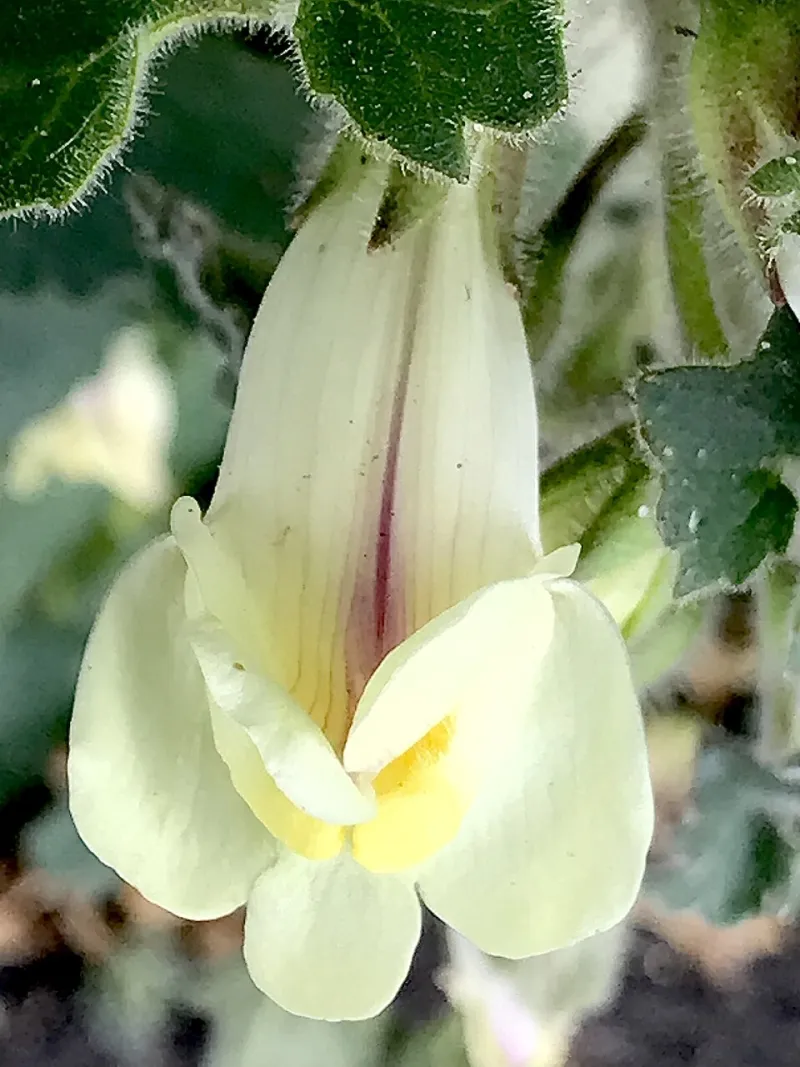
Photo: US FWS, Public domain, via Wikimedia Commons
There exists, within the American tradition of gift-giving, a deeply ingrained reflex: when an apology is necessary, send flowers. Yet for all its cultural familiarity, this gesture is rarely examined with the seriousness it deserves. A hastily ordered bouquet selected without intention communicates something, certainly — but not always what the giver intends. The difference between a floral arrangement that genuinely moves someone and one that lands as a perfunctory afterthought lies almost entirely in the quality of attention brought to its composition.
At Tierra Floral Design, we believe that botanical artistry is one of the most sophisticated forms of nonverbal communication available to us. Nowhere is this more consequential than in moments of emotional repair.
The Psychology of the Botanical Gesture
Researchers in environmental psychology have long documented the emotional impact of living botanicals on human mood and cognition. Studies from Rutgers University and the University of North Florida have demonstrated that flowers elicit immediate positive emotional responses — but the nature of that response is shaped considerably by context and composition. When a botanical arrangement arrives during a moment of relational tension, its effect is not simply aesthetic. It functions as a physical embodiment of the giver's emotional state, a three-dimensional expression of contrition, care, or longing.
The act of choosing specific flowers, vessels, and presentation styles signals that the giver has invested genuine thought — that they have moved beyond impulse into deliberate consideration. This distinction is not lost on recipients. Designers who specialize in emotionally intentional arrangements consistently note that clients seeking reconciliation flowers are often navigating situations where trust has been compromised. In those circumstances, the arrangement itself must communicate credibility.
Choosing Flowers That Carry Genuine Weight
The language of flowers — known historically as floriography — enjoyed enormous cultural currency in Victorian America and Europe, and while its formal codes have faded from common knowledge, the emotional resonances of certain blooms remain surprisingly intact at an intuitive level.
White tulips, for example, carry connotations of forgiveness and new beginnings that many people sense without being able to articulate. Hyacinths, particularly in soft violet or blue, have long been associated with sincerity and a request for forgiveness. Pale pink peonies communicate a softness and vulnerability that can be extraordinarily effective when a relationship requires gentleness rather than grand declaration.
Conversely, certain flowers warrant careful avoidance in contexts of apology. Bold red roses, while undeniably romantic, can introduce an assertiveness that feels misaligned with genuine remorse. Yellow flowers, though cheerful in other contexts, may inadvertently suggest jealousy or insincerity to recipients familiar with traditional floral symbolism. The goal is botanical restraint — arrangements that speak quietly but with unmistakable clarity.
Designers at Tierra Floral Design often recommend compositions built around a single dominant bloom supported by soft, complementary foliage. This structural restraint mirrors the emotional posture of an effective apology: composed, undemanding, and focused.
Vessels as Emotional Vocabulary
The container in which an arrangement is presented contributes meaningfully to its overall message. A sleek, architectural vessel — black ceramic, polished concrete, or lacquered steel — introduces a formality that may feel cold in moments requiring warmth and vulnerability. For apology arrangements, softer vessels tend to serve the emotional intention more effectively.
Matte ceramic in earth tones, aged terracotta, or hand-thrown stoneware communicates a kind of humble craftsmanship that resonates with sincerity. These vessels suggest that the arrangement was chosen with care rather than convenience. Glass vessels, particularly those with slight imperfections or organic shapes, allow the recipient to observe the full structure of the stems and water — a kind of botanical transparency that carries its own symbolic charge.
Size matters as well. An overwhelming arrangement can inadvertently communicate pressure or a desire to impress rather than reconcile. A more modest, well-proportioned composition often conveys greater emotional intelligence. The message, after all, is not abundance — it is attention.
Presentation and the Ritual of Delivery
How an arrangement is delivered shapes its reception as powerfully as what it contains. A botanical apology handed personally, with presence and eye contact, carries weight that a delivery service cannot replicate. When personal delivery is not possible or appropriate, a handwritten note — not a printed card — accompanying the arrangement restores some of that human dimension.
The note itself deserves the same quality of intentionality as the flowers. It need not be lengthy; a few sentences that acknowledge the specific nature of the rupture and express a genuine desire for repair are far more effective than elaborate prose. The combination of a thoughtfully composed arrangement and a carefully worded note creates a cohesive gesture that operates on multiple sensory and emotional registers simultaneously.
Timing also merits consideration. An arrangement sent in the immediate aftermath of a difficult event may arrive before the recipient is emotionally prepared to receive it. Allowing a brief interval — enough time for initial emotions to settle, but not so long that the gesture appears delayed or reluctant — demonstrates both emotional awareness and respect for the other person's process.
Botanical Design as a Form of Accountability
Perhaps the most overlooked dimension of the botanical apology is what it communicates about the giver's relationship to beauty, care, and intentionality. An arrangement that has been genuinely considered — one that reflects knowledge of the recipient's aesthetic preferences, their relationship to nature, the specific emotional register required by the situation — signals a quality of attention that transcends the gift itself.
This is the deeper promise of botanical artistry in moments of repair: it demonstrates that the giver is capable of seeing, of noticing, of translating feeling into form. In relationships where that capacity has been called into question, a well-composed arrangement can serve as compelling evidence of its presence.
At Tierra Floral Design, we work with clients navigating precisely these moments — designing arrangements that are not merely beautiful objects, but carefully considered communications. The process begins with conversation: about the relationship, the nature of the rupture, the emotional tone the client wishes to convey, and the aesthetic sensibilities of the recipient. From that foundation, we compose arrangements that function as what they are meant to be — not gestures of convenience, but acts of genuine botanical eloquence.
The flowers will fade, as all living things do. But the intention they carried, and the care with which they were chosen, has a way of enduring long after the last petal has fallen.