The Fleeting Acquisition: Why Affluent Americans Are Paying Thousands for Flowers They Will Never Own
There is a particular kind of luxury that cannot be stored, insured, or passed down through generations. It blooms for perhaps three days, is captured in a series of carefully composed photographs, and then quietly decomposes—leaving behind nothing more tangible than a memory and a curated digital archive. Yet for a growing number of design-forward Americans, this is precisely the point.
The phenomenon of commissioning bespoke botanical installations built around rare, exotic, or severely limited-availability flowers—with no intention of keeping them—is quietly reshaping how the design community understands ownership, value, and aesthetic identity. It is a paradox that sits at the intersection of high art, horticultural rarity, and the relentless appetite for singular visual experience.
The Architecture of a Singular Moment
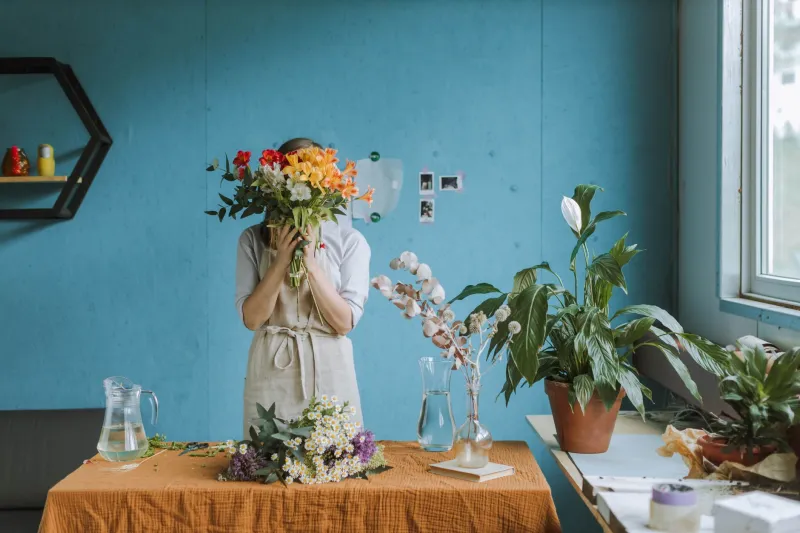
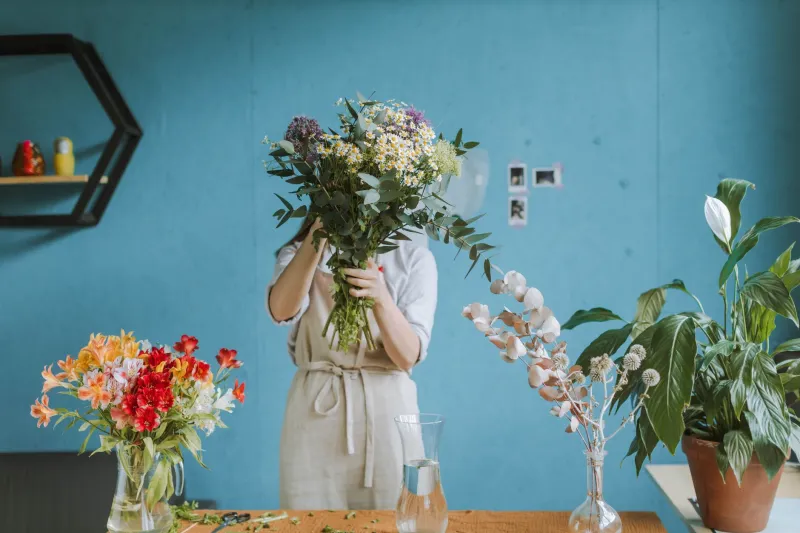
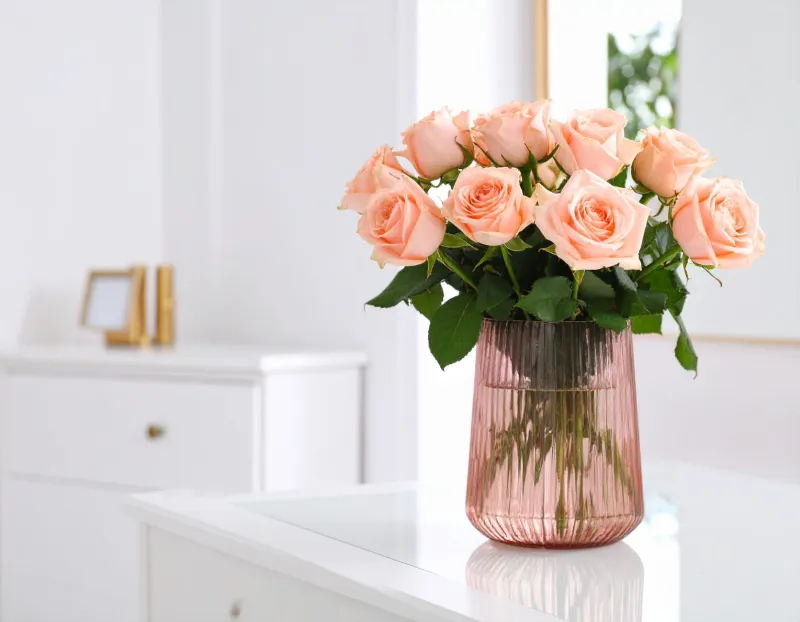
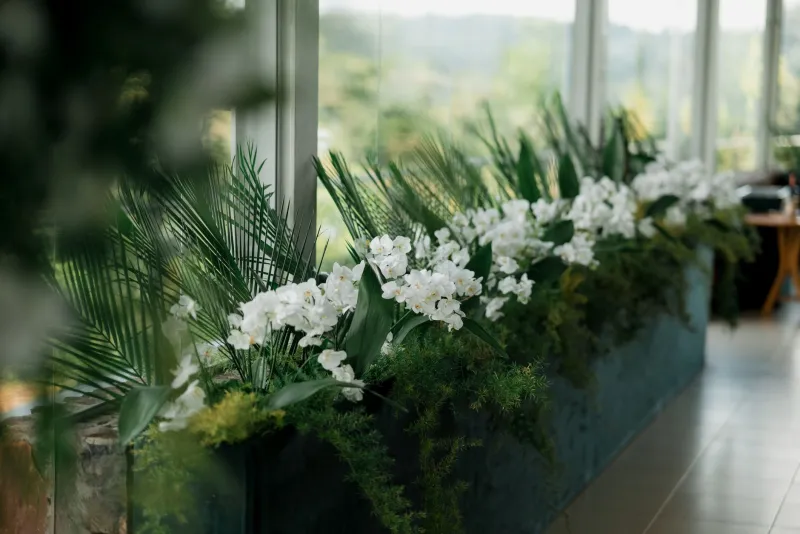
To understand this trend, one must first appreciate what distinguishes a commissioned rare botanical installation from a conventional floral arrangement. These are not centerpieces selected from a wholesale catalog. They are designed environments—sometimes occupying entire rooms—built around specimens that may include ghost orchids sourced through licensed cultivators, Middlemist's Red camellias available from only a handful of growers worldwide, or Juliet garden roses secured months in advance through exclusive supplier relationships.
The design process itself can span weeks. A client working with a high-caliber botanical studio might begin with a consultation focused not on flowers at all, but on architectural space, personal narrative, and the emotional register they wish to occupy for a single afternoon. The botanicals are then selected to serve that vision—chosen as much for their cultural resonance and scarcity as for their visual beauty.
The result is an installation that exists, in its fullest sense, for perhaps seventy-two hours. What endures is the documentation.
Photography as the New Form of Possession
The role of photography in this collector mentality cannot be overstated. In many cases, a professional architectural or editorial photographer is engaged alongside the floral designer—an arrangement that mirrors the commissioning of fine art portraiture more closely than it resembles the purchase of home décor.
For these clients, the photograph is not a record of the arrangement. It is the arrangement's ultimate form. The physical installation is understood from the outset as a scaffold for the image—a three-dimensional composition that will be translated into a two-dimensional artifact of lasting value.
This reframing of botanical design as photographic subject rather than domestic object carries significant implications for how designers approach their work. Scale, light interaction, and the precise geometry of negative space become paramount. A bloom that photographs poorly, regardless of its rarity or cost, serves no function in this context.
Social Currency and the Democratization of Rarity
It would be intellectually incomplete to examine this trend without acknowledging the role of social media in its proliferation. Platforms oriented around visual discovery have created an economy in which the documentation of a rare botanical experience carries measurable social capital—and, in some cases, genuine professional currency.
For interior designers, lifestyle architects, event professionals, and certain categories of cultural influencer, the commissioned rare botanical installation functions as a form of portfolio-building that signals taste, access, and a willingness to invest in the ephemeral. The image circulates; the reputation compounds.
Yet this dynamic also introduces a democratizing tension. The logic of social visibility means that the value of rarity is, paradoxically, amplified by sharing. A Middlemist's Red camellia arrangement documented and distributed across a well-followed account reaches an audience that may never encounter the flower in any other context—transforming a private commission into a form of public botanical education, however aesthetically mediated.
The Ethics of Botanical Rarity
The collector mentality in floral design does not exist in an ethical vacuum. As demand for rare and exotic botanicals grows among affluent American consumers, the question of sourcing integrity becomes impossible to defer.
Responsible practitioners in this space are increasingly rigorous about provenance. Flowers classified as endangered or subject to international trade restrictions under agreements such as CITES—the Convention on International Trade in Endangered Species—must be sourced exclusively through licensed cultivators, never from wild populations. This distinction is not merely legal; it is foundational to any credible claim of design ethics.
Sustainability-minded botanical studios are also grappling with the carbon implications of sourcing rare specimens from distant growing regions, the water consumption associated with exotic cultivars, and the disposal of large-scale installations once their documented moment has passed. Composting protocols, donations to botanical institutions, and partnerships with horticultural research programs represent emerging best practices that align the collector impulse with ecological responsibility.
The most thoughtful designers in this space are candid with their clients about these considerations. The commissioning of a rare botanical installation, they argue, carries a stewardship obligation that extends beyond the photographic moment.
Owning the Aesthetic Without Owning the Object
Perhaps the most philosophically interesting dimension of this trend is what it reveals about the evolving nature of ownership itself. In an era when streaming has replaced physical media and digital art challenges the primacy of the physical object, the rare botanical installation occupies a telling cultural position.
Its value is entirely experiential and documentary. There is no secondary market, no appreciating asset, no object to display on a shelf. What the collector acquires is an encounter—with rarity, with beauty, with the particular quality of attention that a singular botanical environment commands.
For design-conscious Americans who have already furnished their homes with considered objects and curated their environments with precision, this experiential acquisition represents a natural evolution. The next frontier of taste is not what you own, but what you have genuinely experienced and had the discernment to commission.
A New Vocabulary for Botanical Value
At Tierra Floral Design, we find this moment in botanical culture both exhilarating and demanding. The appetite for rare, bespoke, and intentionally ephemeral installations reflects a genuine maturation in how Americans relate to floral design—an acknowledgment that the highest expressions of botanical artistry need not be permanent to be profound.
What it requires from designers, collectors, and the broader community of botanical enthusiasts is a new vocabulary for value—one that accounts for ecological responsibility, honors the living nature of the materials, and resists the reduction of rare flowers to mere props in a content strategy.
The flowers that inspire this movement are extraordinary precisely because they are finite. The design-conscious collector who understands this—who approaches the commissioned installation with reverence rather than acquisition—is participating in something closer to patronage than consumption. And that distinction, however subtle, matters enormously.