Blooms as Barometers: How Botanical Designers Are Reading Nature's Cycles to Shape Tomorrow's Interiors
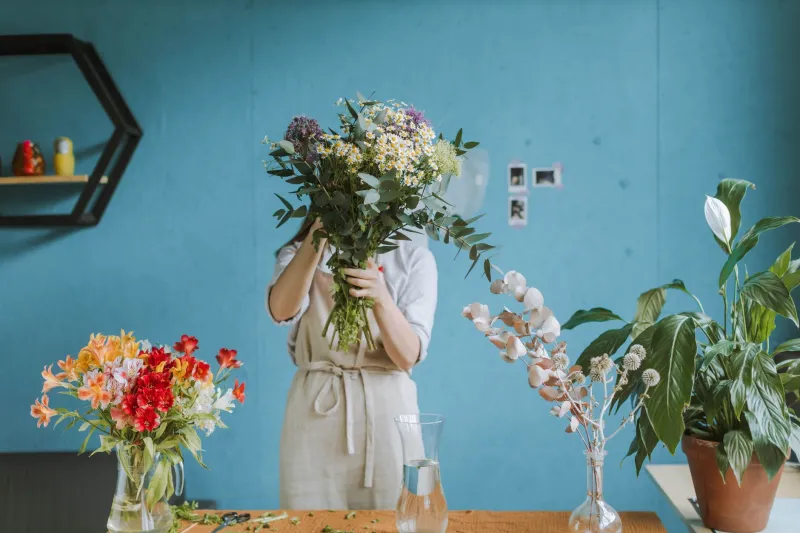
There is a particular kind of intelligence that belongs exclusively to those who work with living material. A floral designer who has spent years studying the rhythms of bloom cycles, the peculiarities of seasonal availability, and the subtle shifts in what growers are cultivating develops something beyond aesthetic taste — they develop a form of environmental literacy that functions, quite reliably, as a design compass.
In studios and ateliers across the United States, a growing number of botanical artists and interior architects are formalizing this intuition into a genuine forecasting practice. By observing what is appearing in the fields, what is arriving at specialty flower markets, and which rare or previously overlooked varieties are beginning to circulate among discerning growers, these designers are identifying the color stories, textural narratives, and compositional philosophies that will define interiors six to twelve months ahead of mainstream publication.
The botanical world, it turns out, is one of the most honest trend oracles available to the design-conscious mind.
The Grower as Harbinger
The relationship between a specialty flower grower and a forward-thinking floral designer is one of the most productive partnerships in the American design ecosystem — and one of the least publicly discussed. When a small-scale farm in California's Central Valley begins cultivating a heritage variety of ranunculus in an unexpected dusty copper tone, or when Pacific Northwest growers quietly expand their offerings of smoke-tipped dahlias, those decisions do not arise in a vacuum. They emerge from a complex interplay of market demand signals, climate adaptation, and the instinctive aesthetic sensibilities of growers who are themselves deeply attuned to cultural appetite.
Professional botanical designers who maintain close relationships with these growers receive, in effect, advance notice of the visual vocabulary that will soon become available. A bloom that appears in limited supply today will, within a season or two, be accessible enough to influence wholesale purchasing, which in turn shapes the arrangements appearing in high-profile interiors, editorial photography, and the event design work that filters into the broader cultural imagination.
The cycle is elegant, if largely invisible to the consumer.
Color Before the Palette
Consider how color trends travel through the design world. By the time a particular hue appears as a featured selection in a major paint collection or surfaces as a recurring motif in shelter magazine spreads, it has already been circulating — in quieter, more organic forms — through the botanical design community for the better part of a year.
Designers who pay careful attention to the seasonal bloom calendar are, in this sense, reading color before it has been translated into manufactured form. The warm terracotta and burnished amber tones that dominated American interior palettes in recent years were visible first in the dried pampas grasses, preserved magnolia branches, and late-season marigold arrangements that began appearing in design-forward homes well before those shades achieved mainstream recognition.
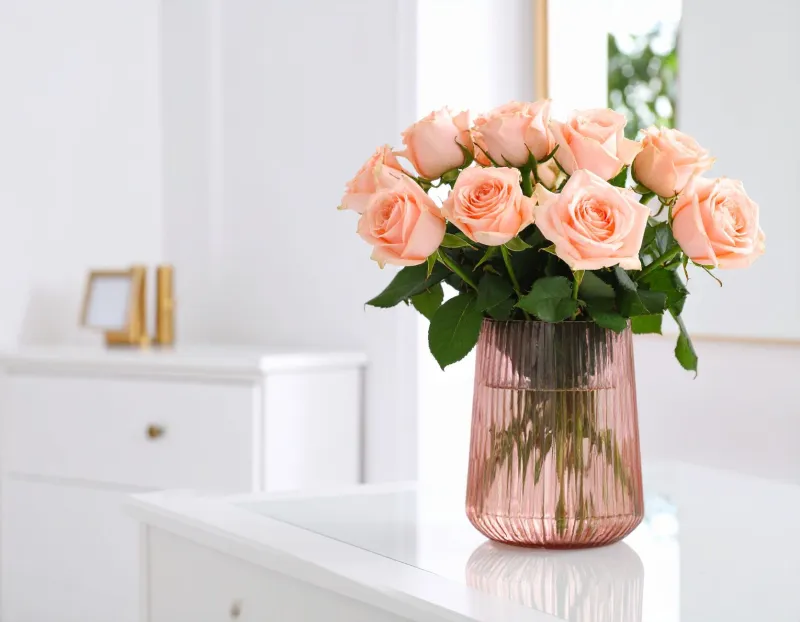
Similarly, the current cultural appetite for what might be described as "quiet luxury" — muted, sophisticated, deliberately understated — has its botanical antecedent in the rising prominence of white and cream garden roses, silvery eucalyptus, and the elegant restraint of single-stem Japanese-inspired arrangements that began influencing atelier-level floral work several seasons ago.
For the designer willing to look closely, the bloom is the forecast.
Texture as the Next Frontier
If color has historically been the most legible signal emerging from botanical cycles, texture is rapidly becoming the more nuanced and telling indicator. The current moment in American interior design reflects a profound interest in tactile complexity — in surfaces and materials that invite touch, that communicate depth, that resist the flat perfection of the purely visual.
This preoccupation is mirrored with striking precision in the botanical design work gaining prominence at the studio level. Designers are increasingly drawn to blooms and botanical elements that offer layered, almost architectural texture: the papery translucence of dried strawflowers, the sculptural geometry of artichoke blossoms, the dense, almost velvet-like quality of certain garden roses in their fully opened state.
These are not merely aesthetic choices. They are responses to the same cultural current that is simultaneously driving demand for natural linen, unpolished stone, and handcrafted ceramics in the American home. The botanical designer who recognizes this convergence is positioned not merely to reflect a trend, but to participate actively in shaping it — to bring into interior spaces a living, impermanent version of the same textural intelligence that will eventually solidify into furniture, wall treatments, and architectural finishes.
Climate as Co-Designer
No honest conversation about botanical forecasting can proceed without acknowledging the increasingly significant role of climate in determining what grows, when it grows, and how it grows. Shifting weather patterns across American growing regions are producing blooms that arrive earlier, last longer, or appear in altered forms — and these deviations from historical norms are themselves becoming design signals.
When a traditionally spring-blooming variety begins appearing in late winter markets, it introduces a visual language into the design environment at an unexpected moment — juxtaposing delicate, hopeful forms against the architectural severity of interiors still dressed for colder months. These accidental pairings, born of climate irregularity, often produce some of the most compelling and culturally resonant design moments of any given year.
Far from treating climate variability as a logistical inconvenience, the most thoughtful botanical designers are learning to read it as creative information — a set of conditions that will inevitably produce new visual possibilities and, by extension, new directions in the broader design conversation.
Designing With Foresight
For the design-conscious consumer, understanding this forecasting dynamic offers a genuinely useful framework for approaching botanical choices in the home. Rather than selecting arrangements purely on the basis of immediate aesthetic appeal, one might instead consider what a particular bloom's current prominence signals about the direction of the broader design environment.
An arrangement built around the sculptural complexity of dried allium, for instance, is not merely beautiful in the present moment — it is also participating in a visual conversation about structure, restraint, and the enduring appeal of botanical forms that transcend seasonal ephemerality. A composition centered on the soft, layered petals of garden roses in muted blush tones speaks to a cultural appetite for warmth and organic softness that is likely to continue shaping interior design well into the coming seasons.
At Tierra Floral Design, this philosophy of botanical foresight informs every composition we create. We believe that the most meaningful design choices are those made with awareness — not merely of what is beautiful today, but of what the living world is quietly communicating about the aesthetic sensibilities that will define tomorrow.
The blooms, as always, arrive with something to say. The question is simply whether we are prepared to listen.