The Living Portfolio: How Design-Conscious Americans Are Collecting Botanicals the Way Patrons Collect Art

Photo by Photo by Bohdan Stocek on Unsplash on Unsplash
There is a particular kind of stillness in a room where every botanical element has been chosen deliberately — where the aged ceramic vessel holding a single stem of Fritillaria persica did not arrive by accident, where the trailing Monstera obliqua was sourced over months, and where the dried Lunaria pods in the corner were pressed from a garden cultivated three seasons ago. This is not a room that was decorated. It is a room that was composed.
Across the United States, a growing cohort of design-conscious collectors is reframing how they think about botanical life in the home. Rather than purchasing flowers as ephemeral gestures or plants as afterthoughts to interior schemes, these individuals are building what might best be described as living portfolios — intentional, evolving collections of rare varieties, heirloom specimens, and commissioned botanical installations that reflect both personal taste and a deepening understanding of botanical culture.
The parallels to fine art collecting are not incidental. They are, for many practitioners, entirely deliberate.
Provenance, Rarity, and the Vocabulary of Botanical Connoisseurship
Serious art collectors speak fluently about provenance — the documented history of an object that authenticates its significance and informs its value. Increasingly, sophisticated botanical collectors are developing a comparable vocabulary. Where did this cultivar originate? Who bred this dahlia variety, and how many growers currently maintain it? Is this a species that is genuinely rare in cultivation, or merely unfamiliar to the mainstream market?
These are not casual questions. They are the inquiries of individuals who have moved beyond the transactional relationship most Americans maintain with flowers and plants, and into something more akin to stewardship.
Heirloom seed libraries have become one of the more compelling entry points into this world. Collectors who maintain curated seed archives — sourced from small American farms, botanical preservation societies, and specialty growers in regions like the Pacific Northwest and the Appalachian foothills — are participating in a form of cultural conservation that carries genuine aesthetic weight. The Larkspur grown from an 1890s seed strain does not merely look different from its commercial counterpart. It carries a kind of historical resonance that no mass-market bloom can replicate.
For floral designers who work with this clientele, understanding botanical provenance has become as essential as understanding color theory or structural proportion.
The Seasonal Acquisition as Aesthetic Autobiography
One of the most distinctive qualities of a well-curated botanical collection is its relationship to time. Unlike a painting or a sculpture, which remains fixed in its expression, a botanical portfolio is inherently seasonal — and in that seasonality lies its most profound capacity for meaning.
The way a collector responds to spring's arrival, which varieties they seek out in the fleeting weeks of late summer, which dried specimens they choose to retain through winter — these decisions accumulate into something resembling an aesthetic autobiography. Each acquisition reflects not merely a preference for a particular bloom, but a philosophy about beauty, impermanence, and the rhythms of the natural world.
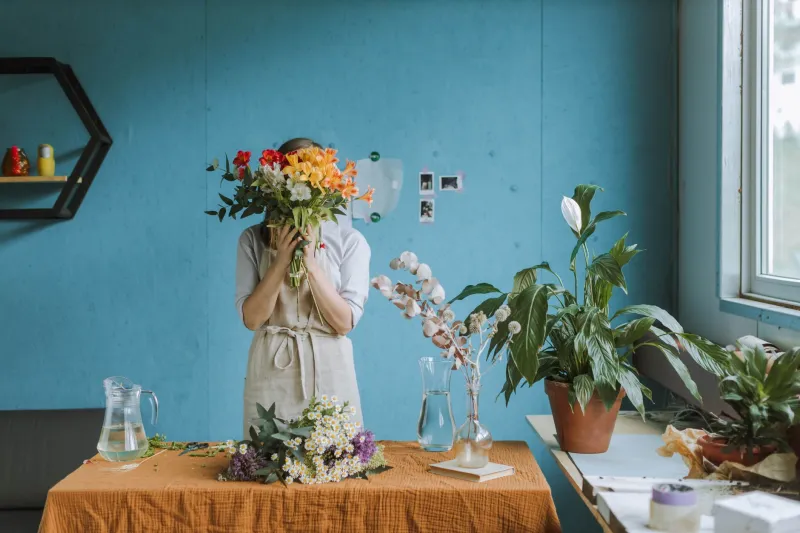
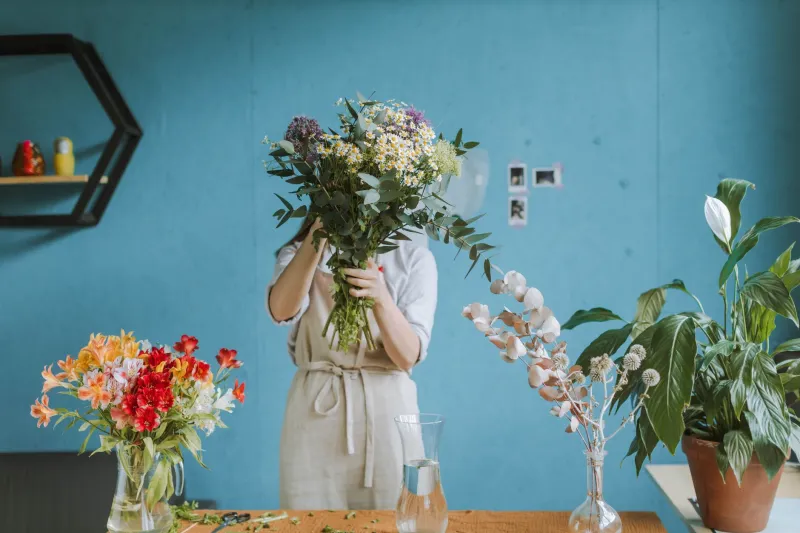
Design-forward collectors often work closely with floral designers to plan their seasonal acquisitions months in advance, much as an art patron might reserve works from a gallery before a show opens. This might mean securing early access to a limited run of Japanese anemones from a specialty grower in Northern California, or commissioning a living moss installation timed to reach its visual peak during the height of a home's entertaining season.
The intention embedded in this kind of planning elevates botanical collecting from impulse to practice — and it is the sustained practice that distinguishes a collection from an accumulation.
Living Installations as Investment Pieces
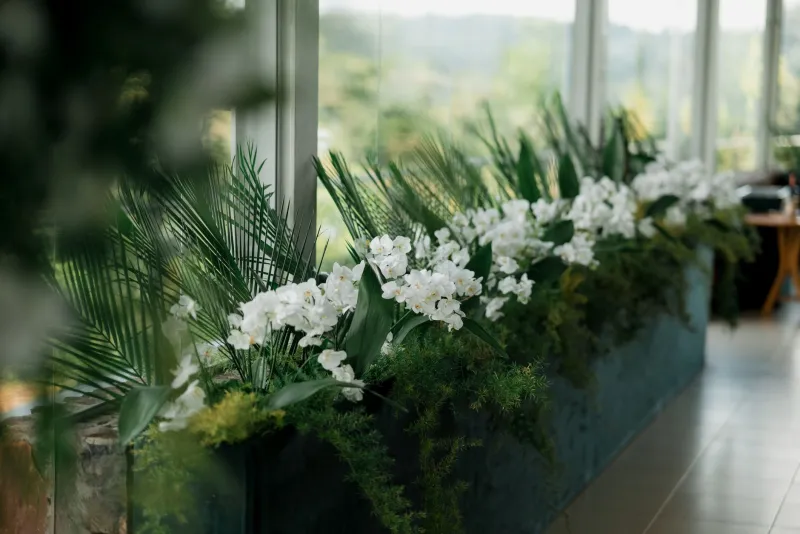
Perhaps the most architecturally significant expression of botanical collecting is the commissioned living installation. These are not arrangements in the traditional sense. They are site-specific works — conceived in collaboration with floral designers, interior architects, and sometimes horticulturalists — that function as permanent or semi-permanent elements of a room's design language.
A moss-covered wall panel in a Manhattan townhouse library. A sculptural arrangement of preserved botanicals suspended above a dining table in a Chicago penthouse. A terrarium ecosystem built into the cabinetry of a Pacific Palisades kitchen. These installations are designed to age gracefully, to shift subtly with the seasons, and to deepen in visual complexity over time — qualities that align them more closely with fine craft than with conventional floral design.
The financial investment required for such commissions is substantial, and the design process is correspondingly rigorous. Clients who pursue this path are not purchasing decoration. They are investing in a living element of their home's identity — one that, like any significant acquisition, requires thought, expertise, and a willingness to engage with beauty on its own terms.
Building the Collection Intentionally: Principles for the Discerning Beginner
For those at the beginning of this journey, the most important counsel is patience. A botanical collection of genuine distinction is not assembled in a season. It is built through a sustained process of education, relationship-building with trusted growers and designers, and the gradual refinement of one's own aesthetic sensibility.
Several principles tend to guide the most successful collectors. First, prioritize depth over breadth. A focused collection — perhaps centered on a single botanical family, or on the palette of a particular region — will always carry more coherence and meaning than an eclectic accumulation of unrelated specimens. Second, cultivate relationships with specialty growers and independent floral designers who have genuine expertise in rare and heritage varieties. The knowledge these individuals carry is as valuable as the botanicals they provide. Third, document the collection rigorously. Photographs, provenance notes, and records of seasonal acquisitions create the kind of archive that transforms a personal practice into something with lasting cultural significance.
Finally — and perhaps most essentially — allow the collection to reflect genuine curiosity rather than trend. The most compelling botanical portfolios are not those that mirror the aesthetic moment, but those that reveal the particular sensibility of the individual who assembled them.
Botanical Collecting as a Form of Designed Living
At Tierra Floral Design, we have long believed that botanical artistry is not a service performed upon a space, but a practice woven into the fabric of how one chooses to live. The emergence of intentional botanical collecting among design-conscious Americans affirms this belief in the most tangible terms.
When a client approaches their relationship with flowers and plants as a collector approaches a portfolio — with discernment, patience, and a long view — they are doing something quietly profound. They are insisting that beauty deserves to be taken seriously, that the living world has a place in our most considered interiors, and that the choices we make about what grows and blooms in our homes are, in the end, choices about who we are.
The collection, like the collector, is always in the process of becoming. That is precisely what makes it worth building.