The Unexpected Canvas: Floral and Botanical Design in the Rooms You've Been Overlooking
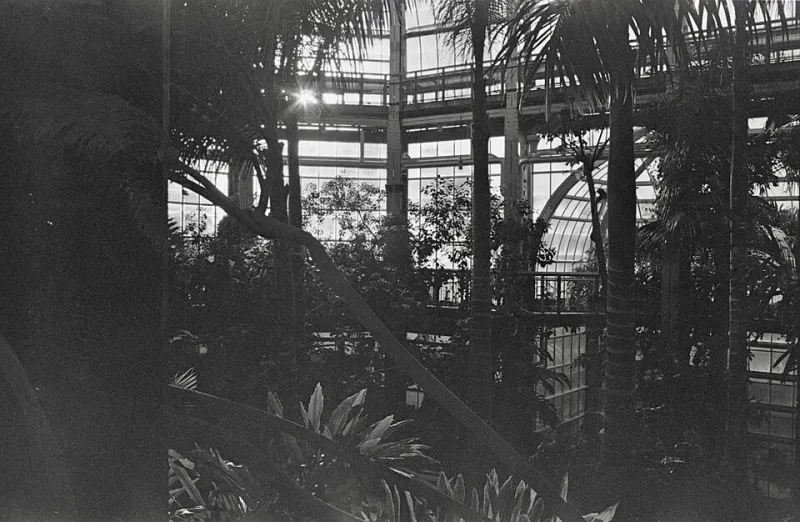
Photo: Champion City Greenhouses (Springfield, Ohio); Good & Reese Co; Henry G. Gilbert Nursery and Seed Trade Catalog Collection, No restrictions, via Wikimedia Commons
Ask most design-conscious Americans where flowers belong in the home, and the answers arrive quickly: the dining table, the entryway console, perhaps a bedroom nightstand. These are the canonical placements—the ones featured in shelter magazines and celebrated on social media—and they are, without question, deserving of their prominence.
But botanical artistry does not begin and end with the vase on the table. The most compelling applications of floral design are frequently found in the spaces we inhabit most casually, most privately, and most habitually—the rooms we pass through without ceremony, the corners we arrange for function rather than feeling. It is precisely in these overlooked territories that a well-considered botanical gesture carries the greatest power to surprise and elevate.
At Tierra Floral Design, we have always been drawn to the philosophy that beauty need not announce itself grandly to be transformative. Sometimes the most meaningful design decision is a small one, placed exactly where no one expected it.
The Kitchen: Where Function Becomes an Aesthetic Statement
The American kitchen has undergone a remarkable cultural evolution over the past two decades. Once a purely utilitarian zone, it now serves as a gathering space, a backdrop for content creation, and—for many households—the true center of domestic life. Yet botanical design in the kitchen is frequently limited to a single potted herb on the windowsill, if it exists at all.
The opportunity here is far richer. Consider the kitchen herb garden not merely as a culinary convenience but as a living installation with genuine design intention. A collection of herbs planted in unified ceramic vessels—rosemary, thyme, basil, and lavender arranged by height and leaf texture—functions as a dynamic, fragrant tablescape that changes with use and growth. The vessel matters enormously: matching pots in a matte stone finish, or a series of antique French jam jars, communicate entirely different aesthetic sensibilities.
Beyond herbs, consider the visual potential of ingredient-as-object. A ceramic bowl filled with dried botanicals—star anise, cinnamon sticks, dried citrus rounds, whole cloves—occupies the territory between pantry and still-life painting. Dried lavender bundles hung near a kitchen window, or a small wreath of dried rosemary mounted above a range hood, introduce botanical texture in ways that feel both practical and intentional.
The refrigerator door is perhaps the most overlooked botanical canvas in any home. A single magnetic bud vase holding one or two fresh stems—a sprig of eucalyptus, a small ranunculus, a cutting of fresh mint—transforms an appliance into a moment of daily delight.
The Bathroom: A Private Gallery for Botanical Detail
The bathroom represents an intriguing paradox in interior design: it is among the most intimate rooms in any home, yet it frequently receives the least design attention. For those who approach daily rituals with intentionality—and the design-conscious consumer almost invariably does—this oversight represents a genuine missed opportunity.
Humidity and limited natural light do constrain plant selection in bathrooms, but they do not eliminate it. Certain orchid varieties, particularly Phalaenopsis, thrive in the warm, humid conditions of a well-ventilated bathroom. Air plants (Tillandsia) require no soil and absorb moisture from the air, making them remarkably well-suited to bathroom environments. Mounted on a piece of driftwood or displayed in a small glass globe, they introduce organic form without demanding significant maintenance.
For bathrooms with stronger natural light, a small potted fern or a trailing string-of-pearls on a floating shelf introduces the kind of lush, softening presence that makes a utilitarian space feel genuinely considered. Fresh-cut flowers in a bud vase beside the sink—changed weekly as part of a self-care ritual—transform a morning routine into something closer to ceremony.
Dried botanical arrangements are particularly well-suited to bathrooms because they require no watering and are unaffected by humidity fluctuations. A framed arrangement of pressed florals, a small bundle of dried lavender tied with linen ribbon, or a ceramic dish of dried rosebuds beside a candle creates a sensory environment that supports the restorative function the bathroom is meant to serve.
The Workspace: Botanical Design as Cognitive Support
The rise of remote and hybrid work has transformed the home office from an afterthought into a priority space for millions of Americans. Yet the botanical dimension of workspace design remains underexplored—particularly given the substantial body of research suggesting that the presence of plants and natural forms in working environments supports focus, reduces stress, and enhances creative output.
The challenge of workspace botanical design lies in balancing visual interest with the need to minimize distraction. The goal is not a maximalist plant collection that competes for attention but a carefully edited selection that provides restorative visual rest during moments of cognitive fatigue.
A single, architecturally compelling plant—a sculptural euphorbia, a well-proportioned ZZ plant, or a potted olive tree in a terracotta container—can anchor a home office with quiet authority. Positioned slightly outside the primary sightline (to the side of a monitor rather than directly behind it), this kind of botanical anchor provides peripheral access to natural form without demanding focused attention.
For those who work with clients via video call, the botanical elements visible in the background function as deliberate design choices that communicate professional aesthetic sensibility. A thoughtfully arranged shelf incorporating living plants, a framed botanical illustration, and a small dried arrangement projects the kind of considered personal brand that resonates in contemporary professional culture.
Fresh flowers in a workspace, changed on a weekly cadence, have been shown in environmental psychology research to support positive affect and motivation. Even a single stem—a garden rose, a stem of lisianthus, a branch of flowering quince—introduces a quality of living presence that a screen-dominated environment inherently lacks.
The Entryway: First and Last Impression
The entryway is the room that greets every arrival and accompanies every departure, yet it is frequently treated as a transitional non-space—a place to deposit keys and shed shoes rather than a designed environment deserving of botanical attention.
In terms of design impact per square foot, however, few spaces in the home offer a greater return on botanical investment. A dramatic installation in an entryway—a tall, sculptural branch arrangement in a heavy ceramic vessel, a cascading dried floral wreath on a mirror, a series of small bud vases arranged along a narrow console—creates an immediate sensory impression that shapes the entire domestic experience.
For smaller entryways, scale down without diminishing intention. A single compelling botanical element—a well-chosen potted plant, one extraordinary dried arrangement, or even a framed collection of pressed specimens—establishes aesthetic authority in a compact footprint.
Seasonal rotation in the entryway honors the passage of time and communicates attentiveness to the natural world. Transitioning from spring branches of cherry blossom to summer arrangements of zinnias and marigolds to autumn dried grasses and seed pods creates a living calendar that marks the year with genuine botanical poetry.
Personal Wellness Spaces: The Meditation Corner, the Reading Nook, the Bath Ritual
As American consumers invest more deliberately in personal wellness—through dedicated meditation spaces, curated reading corners, and intentional bathing rituals—the botanical dimension of these spaces deserves equal consideration.
A meditation or yoga corner benefits from botanical elements that support sensory calm: low, spreading plants like peace lilies or maidenhair ferns, small arrangements of white or cream-toned florals, the diffuse fragrance of fresh eucalyptus or dried lavender. The botanical palette in these spaces should be deliberately restrained, working with the practice rather than competing for attention.
The reading nook is a natural home for botanical still-life composition. A small table beside a reading chair, holding a living plant, a bud vase with a single stem, and perhaps a botanical-illustrated book or pressed specimen frame, creates the kind of richly layered, quietly beautiful environment that makes lingering feel like a genuine luxury.
An Invitation to Look Again
The philosophy underlying all of these suggestions is a simple one: that botanical beauty is not reserved for formal spaces or special occasions. Every room, every surface, every overlooked corner of daily life represents an opportunity to introduce the living world indoors—and to experience, however briefly, the particular quality of attention that natural form invites.
At Tierra Floral Design, we believe that the most meaningful botanical spaces are not the most elaborate ones. They are the ones that reflect a genuine and ongoing conversation between the person who inhabits a space and the natural world that sustains them. Begin, if you like, with a single stem in a room you have never thought to decorate. Notice what changes.