The Gallery Wall, Reimagined: How Living Botanical Displays Are Redefining American Interior Art
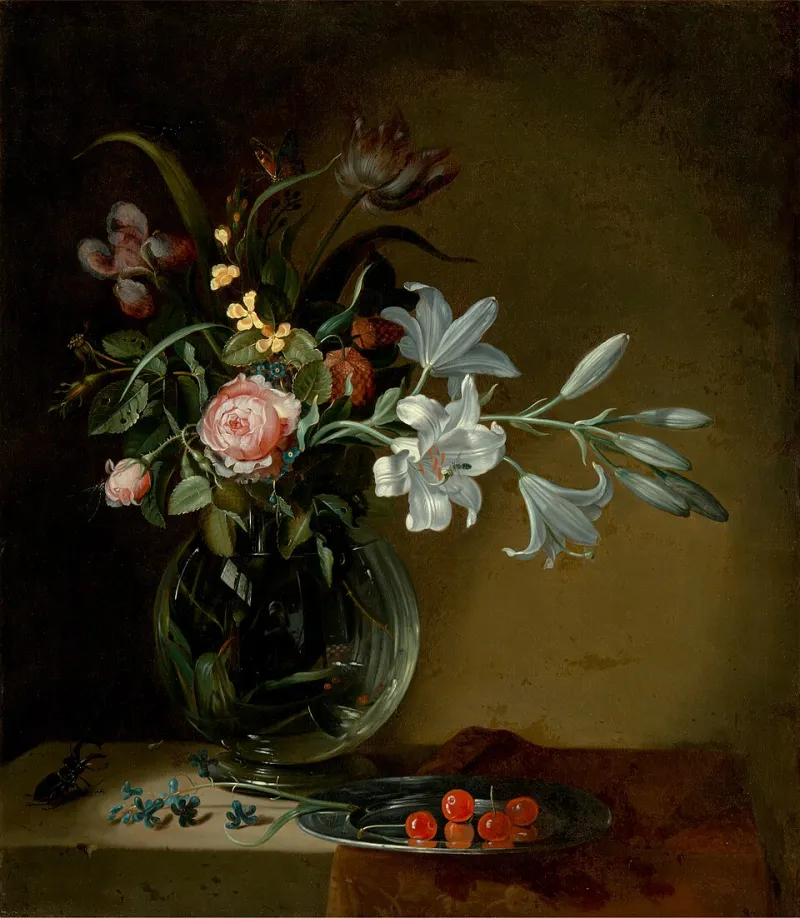
Photo: Jacob Marrel, Public domain, via Wikimedia Commons
For decades, the gallery wall has served as the American homeowner's most trusted expression of personal taste—a carefully arranged constellation of framed photographs, prints, and artwork that announces, with quiet authority, who lives here and what they value. But something is changing. Across homes from the Pacific Northwest to the urban neighborhoods of the Northeast, the framed print is making room for something altogether more alive.
The living botanical gallery has arrived, and it is reshaping the conversation about what interior art can be.
Beyond the Vase: A New Medium Emerges
The impulse to bring nature indoors is hardly new. Americans have kept houseplants, cut flowers, and windowsill herbs for generations. What distinguishes the current moment is the deliberateness with which botanical elements are now being curated—not as incidental accessories, but as considered artistic statements that rival any piece hanging on a wall.
Contemporary designers working in residential and event spaces across the country describe a client base that has grown increasingly sophisticated in its botanical expectations. "There was a time when a client would say, 'I want some greenery,'" notes one New York–based interior designer who has incorporated living installations into several high-profile residential projects. "Now they come in with a vocabulary. They know the difference between a moss panel and a vertical garden. They're thinking about texture, about seasonal change, about the relationship between the botanical display and the light in the room."
This shift in client literacy reflects a broader cultural recalibration—one accelerated, many designers suggest, by the years Americans spent at home during the pandemic, during which the interior environment became both more scrutinized and more emotionally significant than ever before.
The Anatomy of a Botanical Gallery
What distinguishes a botanical gallery from a well-decorated room? The distinction lies in intentionality and curation. A botanical gallery treats each element—a framed pressed specimen, a hanging terrarium, a wall-mounted planter—as an individual work within a larger compositional logic.
The most compelling botanical galleries in American homes today tend to share several characteristics.
Variety of Form and Dimension The most visually arresting botanical displays move confidently between two and three dimensions. Framed herbarium specimens—pressed and mounted flowers or foliage, a tradition with roots in nineteenth-century botanical illustration—bring the flat, graphic quality of traditional artwork to the display, while hanging terrariums and wall-mounted planters introduce depth and volume. The interplay between these dimensions creates the visual rhythm that distinguishes a gallery from a collection of objects.
A Coherent Botanical Palette As with any curated art installation, cohesion matters. Designers consistently recommend selecting a botanical palette—a family of species, a color range, or a shared textural quality—that unifies the display without rendering it monotonous. A gallery anchored by ferns and mosses, for instance, communicates a very different aesthetic than one built around air plants and succulents, yet both can achieve genuine artistic authority when executed with consistency.
Intentional Negative Space One of the most common errors in amateur botanical displays is overcrowding. The temptation to fill every inch of wall space is understandable, but negative space is as compositionally important in a botanical gallery as it is in any other art form. Allow the wall to breathe between elements; the pauses are what give each specimen room to be seen.
Living Walls as Centerpiece Art
Among the most dramatic expressions of the botanical gallery trend is the living wall—a vertical planting system that covers a section of wall surface with a dense, cultivated arrangement of living plants. Once the exclusive province of commercial lobbies and high-budget restaurant interiors, living walls have become increasingly accessible to residential homeowners, thanks in part to improved modular systems available through garden centers and specialty retailers across the United States.
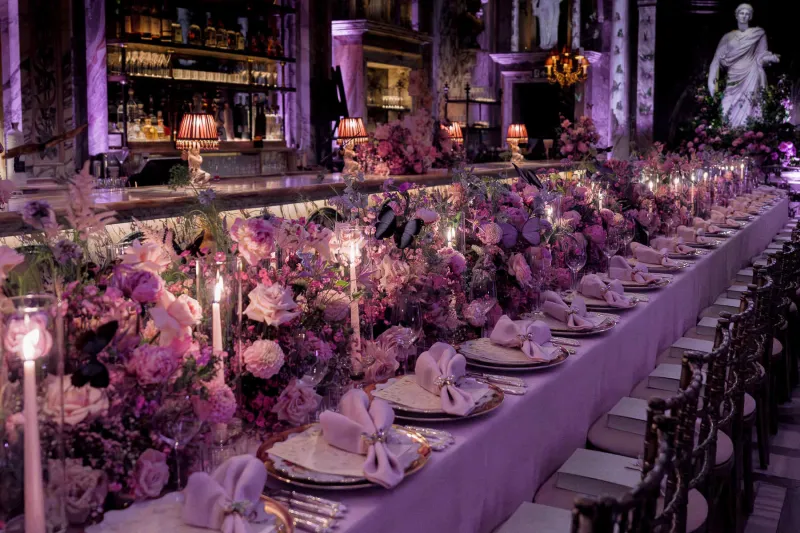
When incorporated into an entertaining space—a dining room, a home bar, or an event-ready living room—a living wall functions as a conversation-commanding focal point that no framed print can replicate. It changes with the light. It responds to the seasons. It introduces a quality of aliveness into the room that is, quite literally, impossible to manufacture through any other means.
For homeowners considering a living wall installation, designers recommend beginning with a modular system that allows for individual plant replacement, as attrition is inevitable even with attentive care. Selecting species suited to interior light conditions—pothos, philodendrons, ferns, and certain bromeliads—will ensure the installation maintains its integrity over time.
Specimen Showcases and the Art of Selection
Not every botanical gallery need be alive in the conventional sense. The specimen showcase—a curated display of dried flowers, preserved botanicals, seed pods, and natural curiosities—occupies a compelling middle ground between the living installation and traditional wall art.
Dried floral arrangements have experienced a remarkable resurgence in American interior design, prized for their longevity and their capacity to age gracefully into ever-more-nuanced tonal compositions. A dried pampas grass plume, a cluster of preserved eucalyptus, or a shadow box containing pressed wildflowers from a meaningful landscape can carry both aesthetic and personal significance, functioning simultaneously as art object and botanical archive.
For those designing an entertaining space intended to serve as a backdrop for gatherings and events, specimen showcases offer particular practical advantages: they require no maintenance during the event itself, they photograph beautifully, and they can be composed months in advance without concern for freshness.
Creating Your Own Botanical Gallery: A Starting Point
For homeowners inspired to begin their own botanical gallery, the process need not be daunting. Begin with a single wall—ideally one that receives indirect natural light—and approach it as you would any curatorial project: with patience, selectivity, and a willingness to edit.
Start with one anchor piece: a large framed herbarium specimen, a statement terrarium, or a single wall-mounted planter with architectural presence. From this anchor, build outward, introducing complementary elements at varied heights and depths. Step back frequently, assessing the composition from a distance before committing to placement.
Consider the role the space plays in your home's social life. A botanical gallery in a dining room or entertaining area will be experienced by guests; this is an opportunity to communicate something meaningful about your relationship with the natural world. At Tierra Floral Design, we believe that the most resonant botanical displays are those that reflect a genuine point of view—a considered aesthetic that speaks not just to what is beautiful, but to what is true about the person who assembled it.
A Living Art Form
The gallery wall has always been a form of self-expression. In its botanical incarnation, it becomes something more—a living, evolving declaration of the belief that nature belongs not only in gardens and parks, but at the very center of the spaces where we gather, celebrate, and make meaning together.
The frame has opened. What grows inside it is entirely yours to decide.